


A suitable diabetic diet for a 57 years old man with kidney transplants and anemia is adjusted. His height is 167 cm and 64 kg in weight. He medicated by glibenclamide, gliclazide, rapamycin, zipmet, and metformin.
Gender: Male
Age: 57 Years Old
Weight: 64 Kg
Height: 167 Cm
Illness: Type 2 Diabetes, Anemia, Kidney transplant
Medications: Glibenclamide, Gliclazide, Rapamycin, Zipmet, Metformin
Food allergies: Nothing
Activity level: Sedentary
Caution: This diet is adjusted based on this patient's particular conditions and should not be used in similar cases.
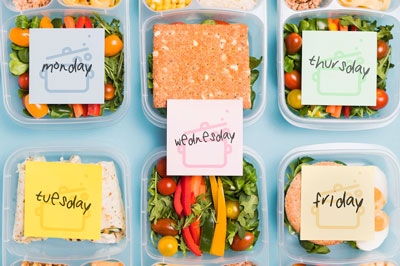
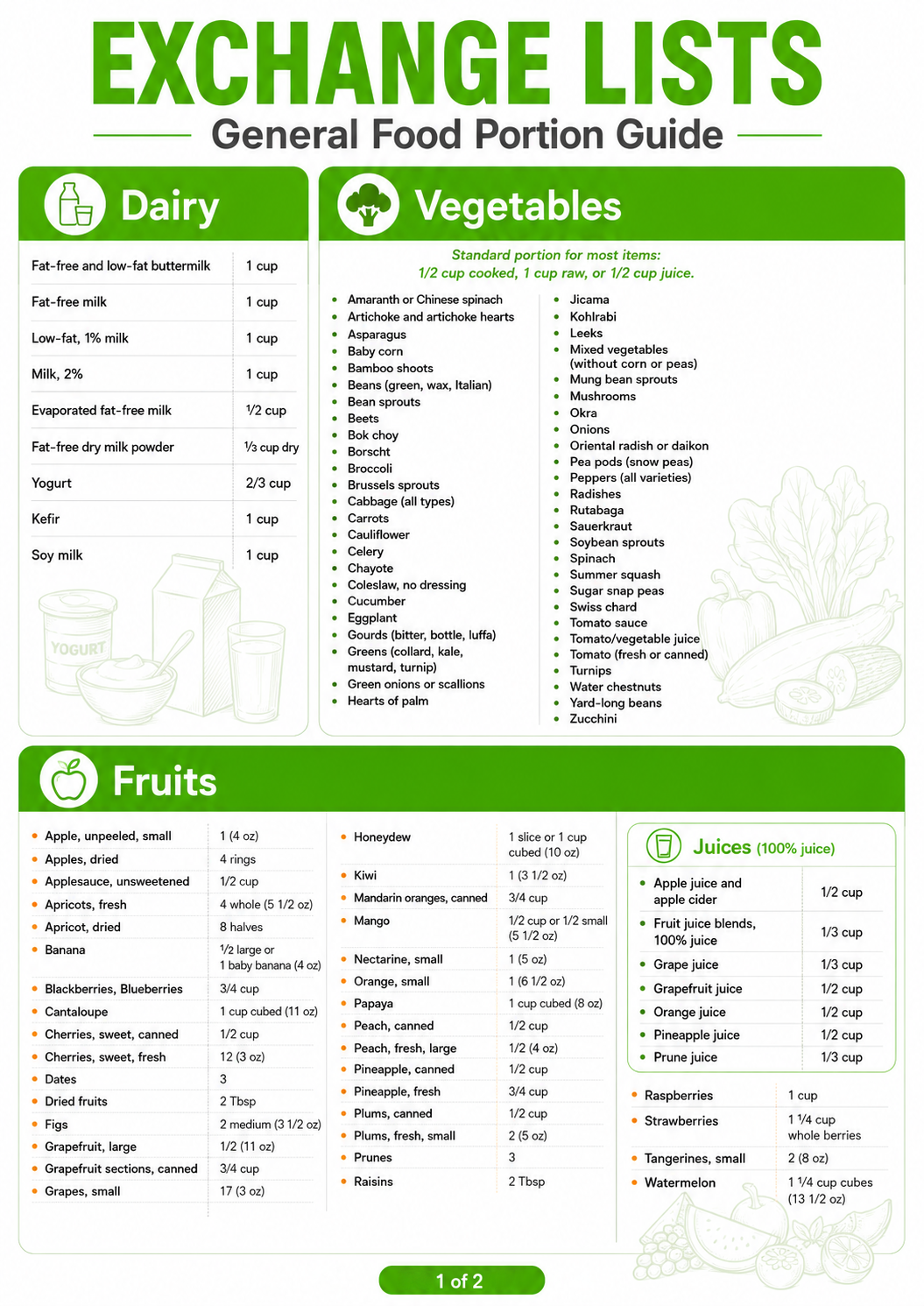
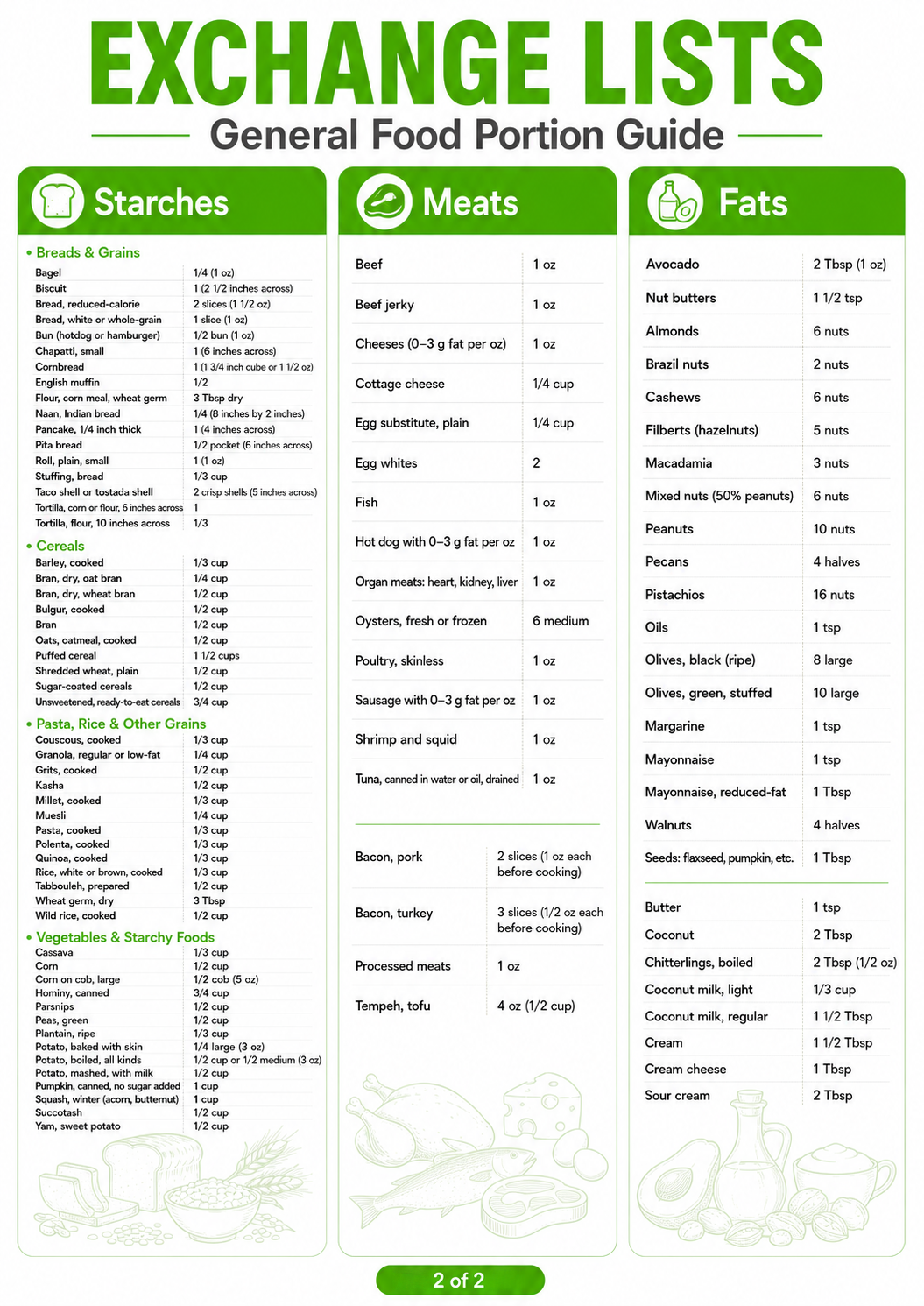
Breakfast: 90 grams Bread + 30 grams Cheese + 3 halves Walnut
At 9:00: 1 serving of fruit
At 10:00: 1 serving of fruit
At 12:00: 1 cup tea + 1 cracker
Lunch: 100 grams cooked Rice + 60 grams Chicken without skin + 1 plate green salad
At 15:00: 1 serving fruit
At 16:30: 6 Almond
At 17:30: 1/3 glasses of Chickpeas + 1 serving fruit
Dinner: 90 grams Bread + 1 boiled Potato + 1 boiled Egg + 6 Tbsp low-fat yogurt
At 22:00: 2 cucumber
Breakfast: 1 serving Yogurt and Chia Overnight Oats
At 9:00: 1 serving fruit
At 10:00: 1 serving fruit
At 12:00: 1 cup of green tea + 1 cracker
Lunch: 1 serving Quinoa Stuffed Bell Peppers
At 15:00: 1 serving fruit
At 16:30: 16 pistachio
At 17:30: 1/3 glasses popcorn + 1 serving of fruit
Dinner: 90 grams Bread + 30 grams Chicken + 4 Olive + 1/2 plate green salad + 6 Tbsp low-fat yogurt
Snack: 2 Carrot
Click here to get your personalized diet plan.
♦ Avoid putting salt shakers on the table in your diet.
♦ Use low-fat dairy in your diabetic diet.
♦ It's better to use vegetable oils for cooking, the best oil for cooking is olive oil.
♦ The best way to cook food for you is by boiling or steaming.
♦ Avoid eating high-fat food such as creamy cheese, chicken skin, butter and etc in your diet.
♦ Do not watch TV while eating food.
♦ Drink about 9 glasses of water per day.
♦ Do exercise at least 30-60 minutes per day, 4-5 days a week.
♦ Avoid skipping or moving your diet meals without consulting our dietitians.
♦ If you have any questions about your diet or foods, call our nutritionist.
Carbohydrates are the most important macronutrient in the diabetic diet. Carbohydrates should make up about 45 to 55 percent of a diabetic patient's daily energy intake. The number of carbohydrates in each meal and snack should be consumed in a specific amount and it depends on the type of diabetes and the type of medicine that you use.
The nutritionist recommended using low glycemic index (GI) foods in the diabetic diet plan to control blood sugar.
Consumption of fibre rich food in the diabetic diet plan is recommended and you should eat at least 20 to 35 grams per day. Vegetables, fruits, whole grains, legumes, etc. are the best source of fibre. Eat enough vegetables in your diabetic diet. It is better to eat fresh vegetables instead of a frozen ones. Replace refined grain with whole grain.
The diabetic diet's protein content is arranged in the same way as the diet of normal people. It makes up 15 to 20% of a person's daily energy requirements. Be careful about plant source protein like beans, chickpea, lentil and etc., because they have carbohydrate, and you should count carbohydrate content of them.
In the diabetic diet plan, just like other people, trans fatty acids can cause cardiovascular disease and gene mutations in the patient, so you should restrict fried foods, processed foods, chips, hydrogenated vegetable oils, etc. in your diet plan.
Chromium supplementation in patients with chromium deficiency can help improve their blood sugar levels. Zinc deficiency in these patients is possible. High or low levels of zinc in the body can affect insulin secretion in a diabetic patient so you should consult with your doctor to use a zinc supplement.
Your diabetic diet should be regular, and you should eat your meals at certain times, Avoid skipping or moving meals without consulting your dietitian.
When hypoglycemia happens, which is accompanied by symptoms of seizures, cold sweats, tremors, blurred vision, weakness and lethargy, and heart palpitations, use a small candy, chocolate, sugar syrup, or half a glass of natural fruit juice.
You should not eat foods high in sodium, high in cholesterol, and simple carbs in the diabetic diet.