





What Is Potassium and Why Is It Important?
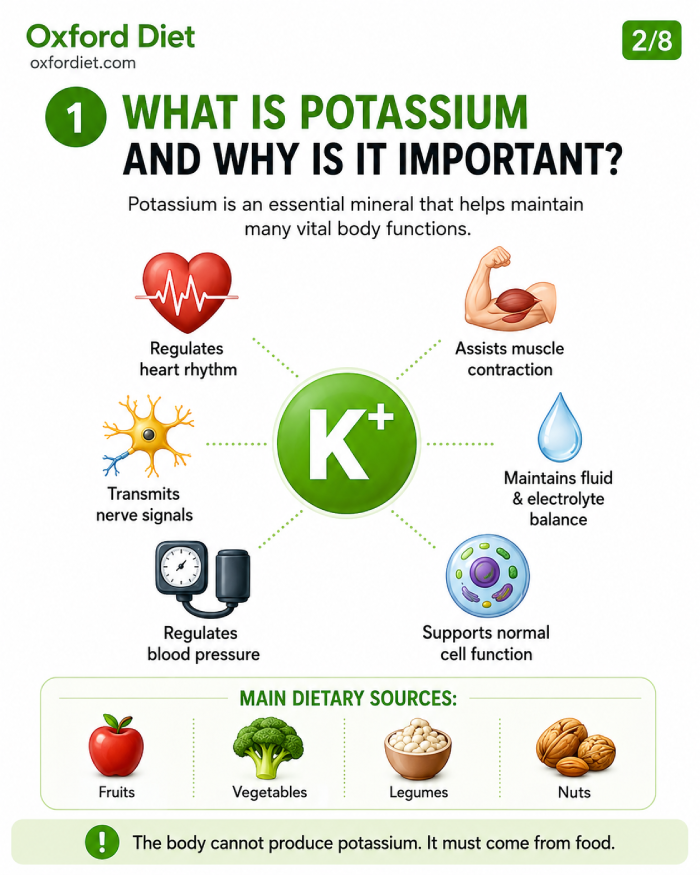
Potassium is one of the most essential minerals needed by the body, playing a role in many vital processes. This essential electrolyte helps maintain normal cell, muscle, and nerve function and is especially important for heart and nervous system health. The human body cannot produce potassium, so it must be obtained through the diet. Blood potassium levels need to remain within a specific range, as both excessive and insufficient levels can cause serious health issues.
- Regulating heart rhythm
- Supporting muscle contraction and function
- Transmitting nerve signals
- Maintaining fluid and electrolyte balance
- Regulating blood pressure
- Supporting normal cell function
Main dietary sources of potassium include:
- Fruits
- Vegetables
- Legumes
- Nuts
Why Is Potassium Important for Kidney Patients?
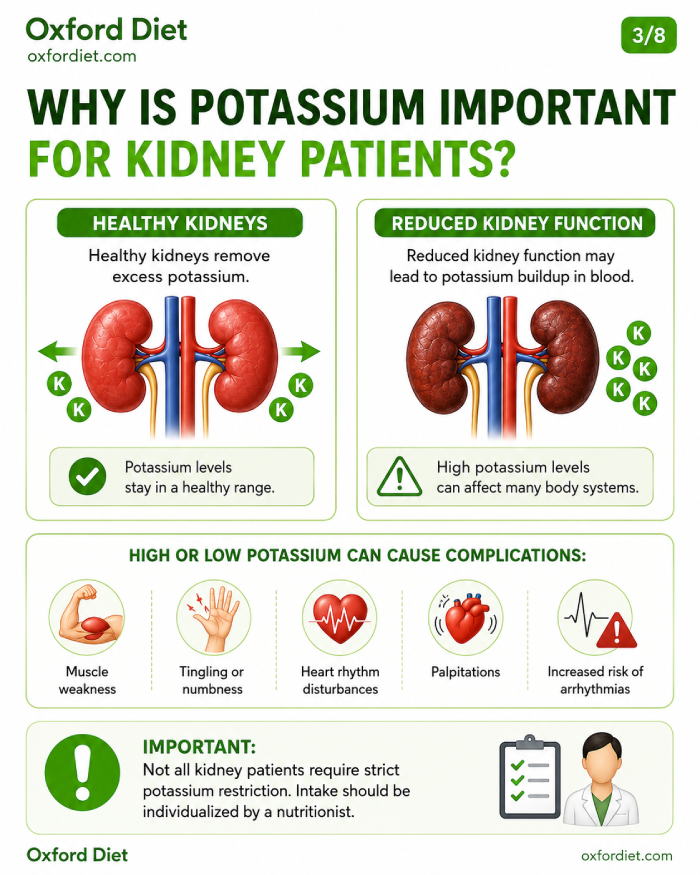
In healthy individuals, the kidneys regulate and excrete excess potassium from the body. However, in people with kidney failure, kidney function declines and potassium may accumulate in the blood. Therefore, potassium intake from the diet must be controlled.
Both low and high blood potassium can cause complications such as:
- Muscle weakness
- Tingling or numbness
- Heart rhythm disturbances
- Palpitations
- Increased risk of cardiac arrhythmias
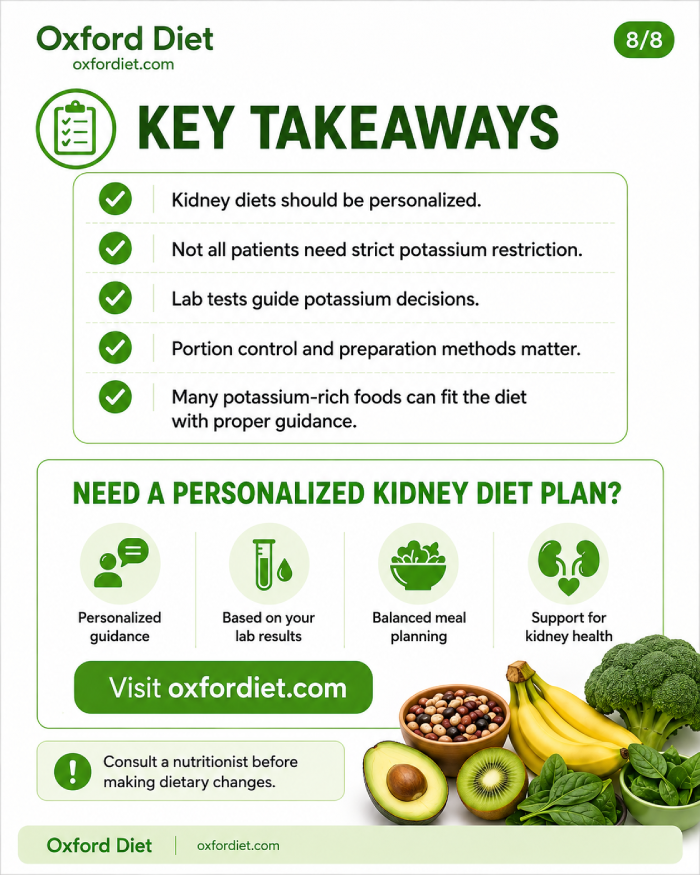
Not all kidney patients require strict potassium restriction. The allowable amount should be determined individually by a nutrition specialist. Excessive restriction can also interfere with adequate potassium intake.
How to Use High-Potassium Foods in Kidney Failure
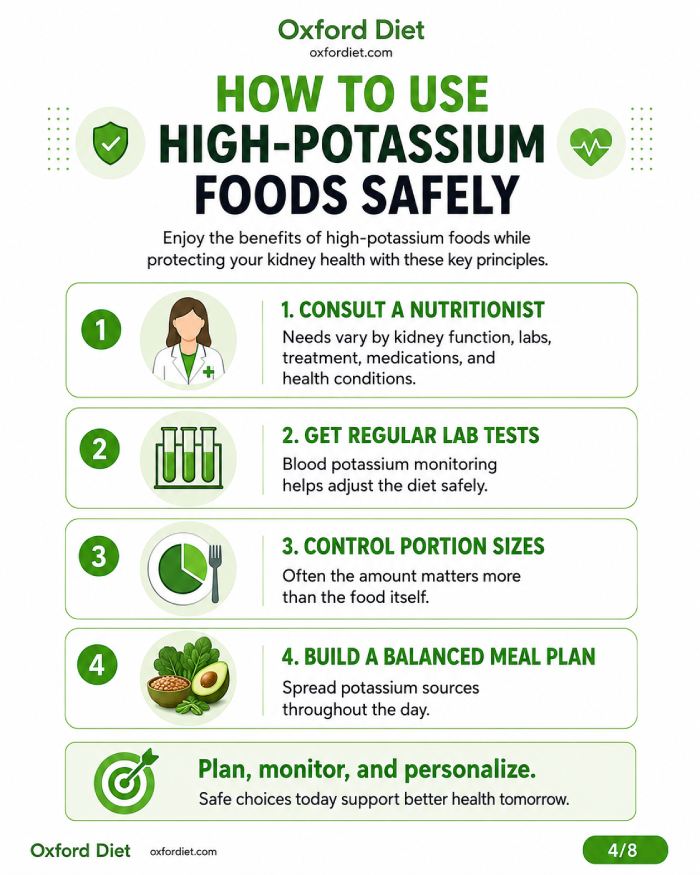
Completely eliminating all potassium-containing foods is not always necessary. Many patients with chronic kidney failure can include some potassium-rich foods in their diets with proper planning and regular lab monitoring. The following key principles can help manage blood potassium more effectively. key principles can help manage blood potassium more effectively.
1. Consult a Nutrition Specialist for Potassium Management
The first rule in potassium management is to consult a nutritionist. Potassium restriction needs vary among patients. The degree of kidney damage, blood potassium levels, type of treatment, medications, and other health conditions all influence the allowable potassium intake. Therefore, dietary potassium should be tailored individually and supervised by a nutrition consultant or specialist to determine your exact daily needs.
2. Get Regular Lab Tests for Potassium Management
Regular periodic lab tests and monitoring blood potassium levels are among the most important tools for adjusting the diet. Test results help the healthcare team increase or decrease potassium-rich foods as needed. Regular blood tests also help prevent complications from high or low potassium.
3. Control Portion Sizes for Potassium Management
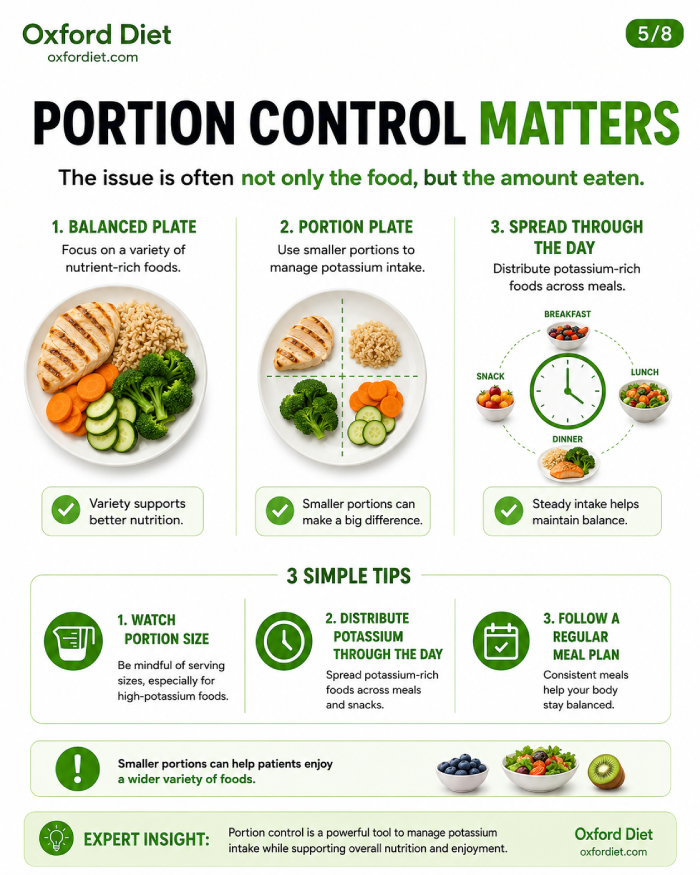
Often, the main issue is not the type of food but the amount consumed. Reducing portion sizes of high-potassium foods allows patients to enjoy a variety of potassium-containing foods without significantly raising blood potassium. Therefore, controlling meal and food portions is a key principle in potassium management.
Having a regular, balanced meal plan can improve diet quality and reduce unnecessary restrictions. Distributing potassium sources throughout the day helps maintain balance and prevents excessive intake in a single meal.
4. Learn Potassium-Reducing Preparation Methods
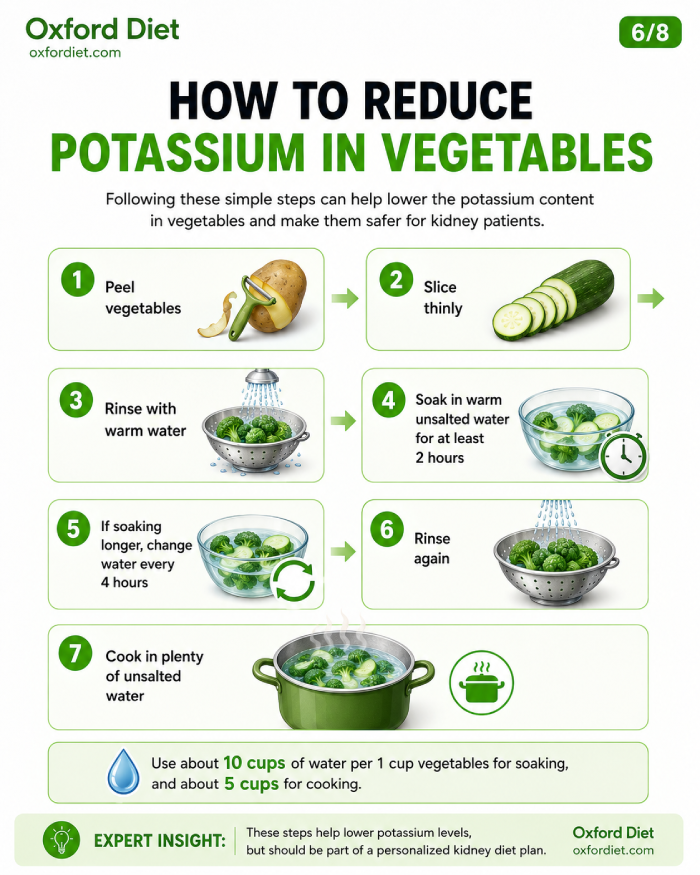
Certain food preparation methods can lower the potassium content of some vegetables. For example, to reduce potassium in vegetables, follow these steps:
- Peel the vegetables and place them in cold water to prevent discoloration.
- Slice the vegetables thinly; smaller pieces release more potassium.
- Rinse briefly with warm water.
- Soak the vegetables in warm, unsalted water for at least two hours.
- If soaking for longer, change the water every four hours.
- After soaking, rinse again with warm water.
- When cooking, use plenty of unsalted water.
Typically, use about five cups of water for every cup of vegetables when cooking, and ten cups for soaking. These methods can reduce the potassium content of foods, making them more suitable for some kidney failure patients.
Which Foods Are Considered High in Potassium for Kidney Patients?
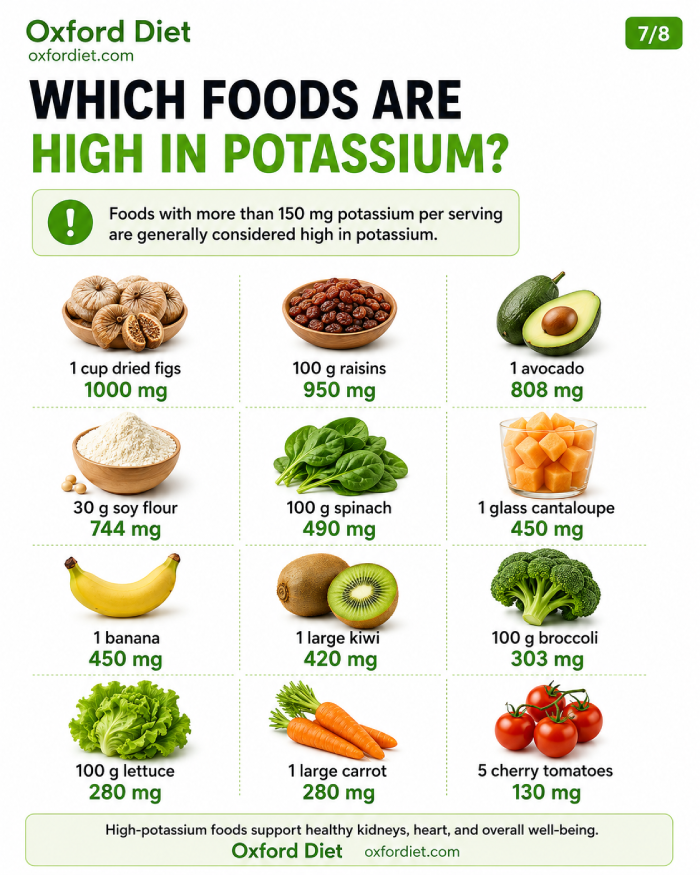
Generally, foods containing more than 150 mg of potassium per serving are classified as high-potassium foods. To reduce potassium intake, you can use potassium-reducing methods or decrease portion sizes so that your intake from high-potassium foods is less than 200 mg per serving. Here is a list of some foods and their potassium content:
- 30 g soy flour: 744 mg potassium
- 1 cup dried figs: 1,000 mg potassium
- 100 g raisins: 950 mg potassium
- 1 glass cantaloupe: 450 mg potassium
- 1 avocado: 808 mg potassium
- 100 g spinach: 490 mg potassium
- 1 banana: 450 mg potassium
- 1 large kiwi: 420 mg potassium
- 100 g lettuce: 280 mg potassium
- 100 g broccoli: 303 mg potassium
- 1 large carrot: 280 mg potassium
- 5 cherry tomatoes: 130 mg potassium